
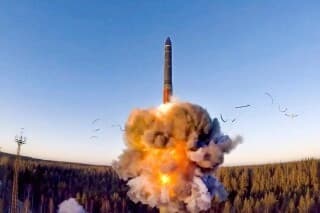
The last bilateral nuclear arms control agreement between the United States and Russia expires today, bringing to a close more than five decades of negotiated limits on the world’s two largest nuclear arsenals.
With the end of New START, there will be no legal restrictions on the number of deployed strategic nuclear warheads for either country — a situation not seen since the early Cold War era.
Many experts and arms control advocates warn that this could trigger an unrestrained buildup of nuclear weapons, heightening global instability and the risk of miscalculation or conflict.
"We’re facing the real possibility of a dangerous three-way nuclear competition involving the United States, Russia, and China.
— Daryl Kimball, Arms Control Association
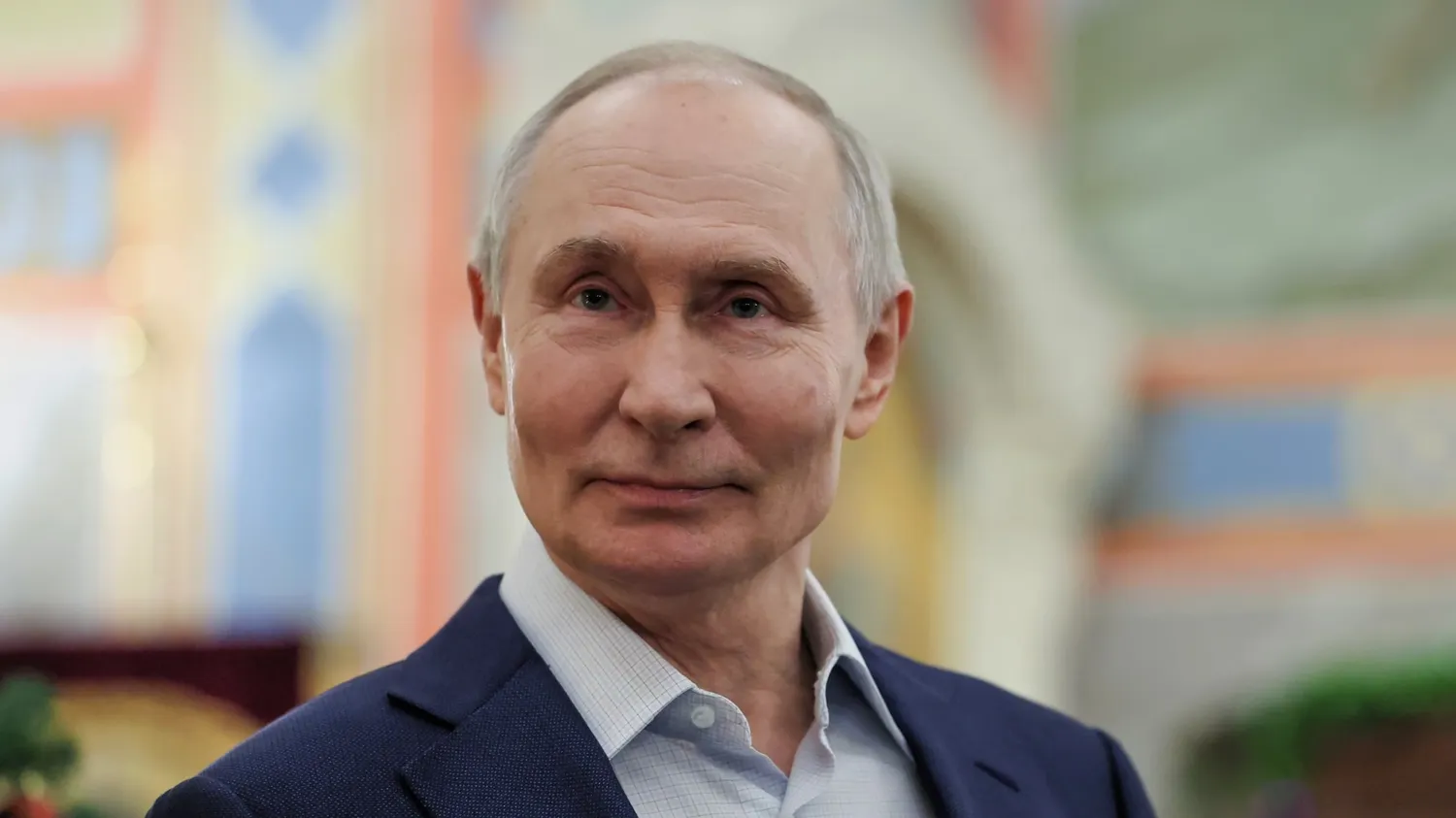
Russian President Vladimir Putin has said Russia is willing to informally observe the treaty’s numerical limits for another year if the United States reciprocates. The White House has not committed to any extension.
President Trump has expressed interest in maintaining some form of nuclear restraints but insists any future deal must include China, whose nuclear arsenal — though smaller — is expanding rapidly.
China has consistently rejected joining any trilateral arms control framework at this stage.
Background on New START
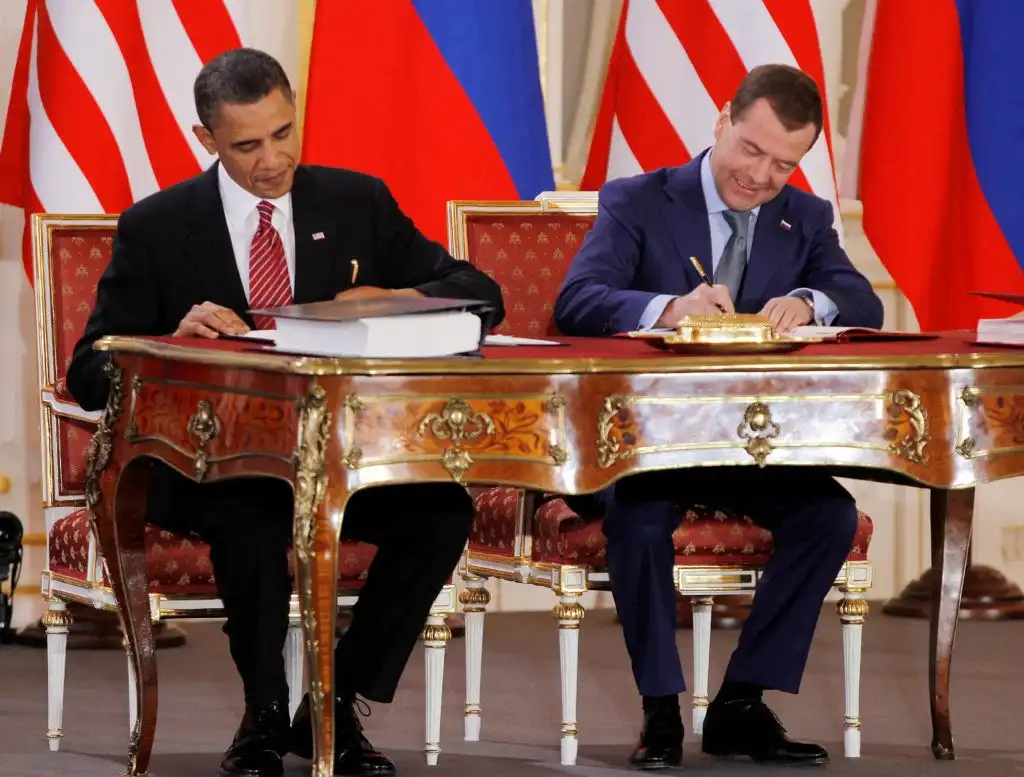
Signed in 2010 by Presidents Obama and Medvedev, New START capped each side at 1,550 deployed strategic warheads on no more than 700 delivery systems (missiles and bombers).
The treaty allowed mutual on-site inspections to verify compliance, but these inspections were suspended in 2020 due to the COVID-19 pandemic and never resumed.
Recent Developments and Warnings
In early 2023, Russia formally suspended participation in the treaty’s verification provisions while stating it would still respect the numerical limits.
Pope Leo XIV urged both sides Wednesday not to let the treaty lapse without securing a meaningful follow-on agreement. Arms control experts warn that the absence of limits and transparency could quickly lead to higher deployed numbers on both sides.
Historical Context
New START followed a long line of US-Soviet/Russian arms agreements beginning with SALT I in 1972.
The United States withdrew from the ABM Treaty in 2001 and from the INF Treaty in 2019 — decisions that Russia cites as justification for its own military modernization.
What Comes Next
Without any agreement, both Washington and Moscow are free to increase deployed strategic forces. Many analysts fear this vacuum will accelerate spending, reduce strategic stability, and make crisis management more difficult.
Russia has already lowered the threshold for nuclear use in its revised doctrine and continues to develop exotic delivery systems. President Trump’s proposed missile defense expansion and talk of resuming nuclear testing have further alarmed Moscow and Beijing.
This could mark the beginning of a far more dangerous chapter in global nuclear competition — one we haven’t seen in generations.— Daryl Kimball
The expiration of New START removes the last remaining legal and verifiable restraint on the world’s two largest nuclear powers, leaving international security more uncertain at a time of rising geopolitical tensions.