
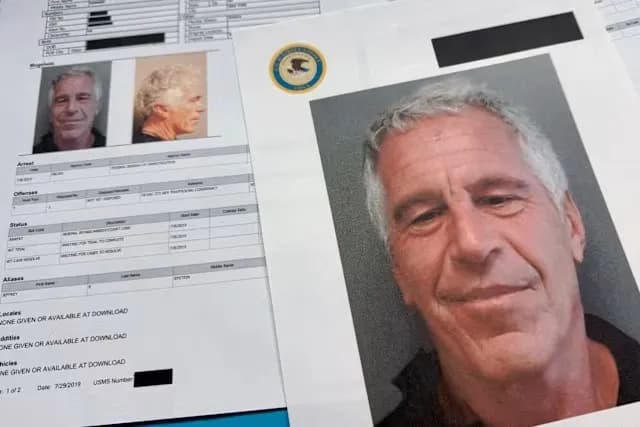
Sensitive personal information — including nude photographs, victims’ full names, faces, Social Security numbers and bank account details — was left exposed in the Jeffrey Epstein files released by the U.S. Justice Department last Friday.
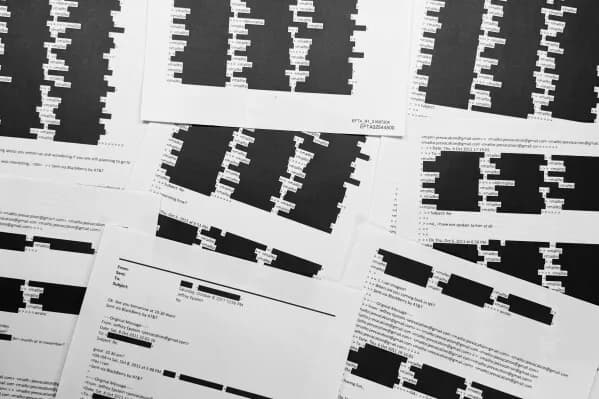
The release was required under a new law intended to make investigative materials public while still protecting the privacy of Epstein’s victims. Names were supposed to be blacked out. Faces and bodies in photographs were supposed to be obscured.
Instead, reviews by multiple news organizations — including The Associated Press — found widespread failures: inconsistent redactions, completely missing blackouts, and careless oversights that revealed highly sensitive information.
"The failure here is not merely technical. It is a failure to safeguard human beings who were promised protection by our government.
— Brittany Henderson, victims’ attorney
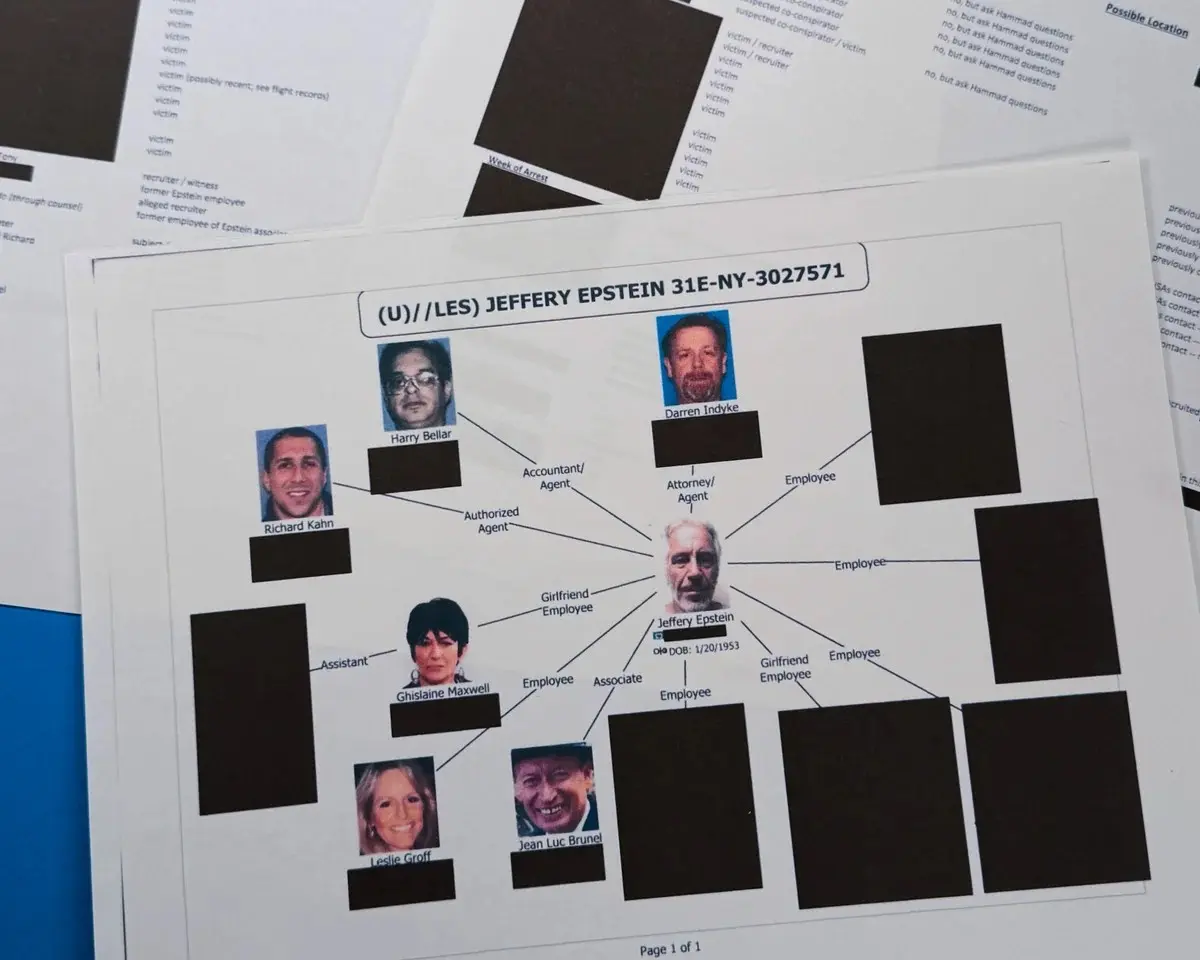
Among the most disturbing examples: an unredacted photo of an underage girl who had been recruited to give sexualized massages to Epstein appeared in a chart of alleged victims.
Several police reports containing names of accusers — including some who have never spoken publicly — were published with no redactions whatsoever.
Even after corrective actions began, explicit images — including bathroom selfies showing nudity with fully visible faces — remained accessible on the DOJ site as late as Wednesday evening.
Victim and Legal Response
Survivors and their attorneys have demanded the database be taken offline and an independent overseer appointed to prevent further leaks.
A planned court hearing in New York on Wednesday was canceled after reported progress, but victims’ lawyer Brittany Henderson stated that all options remain open to address what she called “permanent and irreparable” harm to some women.
Survivor Reactions and Specific Breaches
Annie Farmer, who has publicly stated she was sexually assaulted by Epstein and Ghislaine Maxwell at age 16, said her name was already known — but her date of birth, phone number and other private details should never have been disclosed.
Farmer expressed deep anger at the “beyond careless” handling, saying the recklessness has endangered people.
DOJ Explanation
The Justice Department has attributed the issues to technical glitches and human error under extreme time pressure. They say problematic files have been removed and are being replaced with corrected versions.
Timeline and Scale of the Release
The disclosure stemmed from legislation signed by President Trump on November 19, requiring release within 30 days. The department missed the deadline, citing the need for careful redaction of victim information.
Hundreds of attorneys were reassigned from other cases — including active criminal prosecutions — to handle the review, causing delays that drew criticism from at least one federal judge.
The fact that it’s been done in such a beyond careless way, where people have been endangered because of it, is really horrifying.— Annie Farmer
The database represents the largest public release of Epstein-related investigative materials to date. Yet the combination of under-redaction of sensitive victim information and over-redaction of unrelated details (such as a dog’s name or the word “Joseph” in a Nativity scene caption) has fueled widespread criticism of the process.