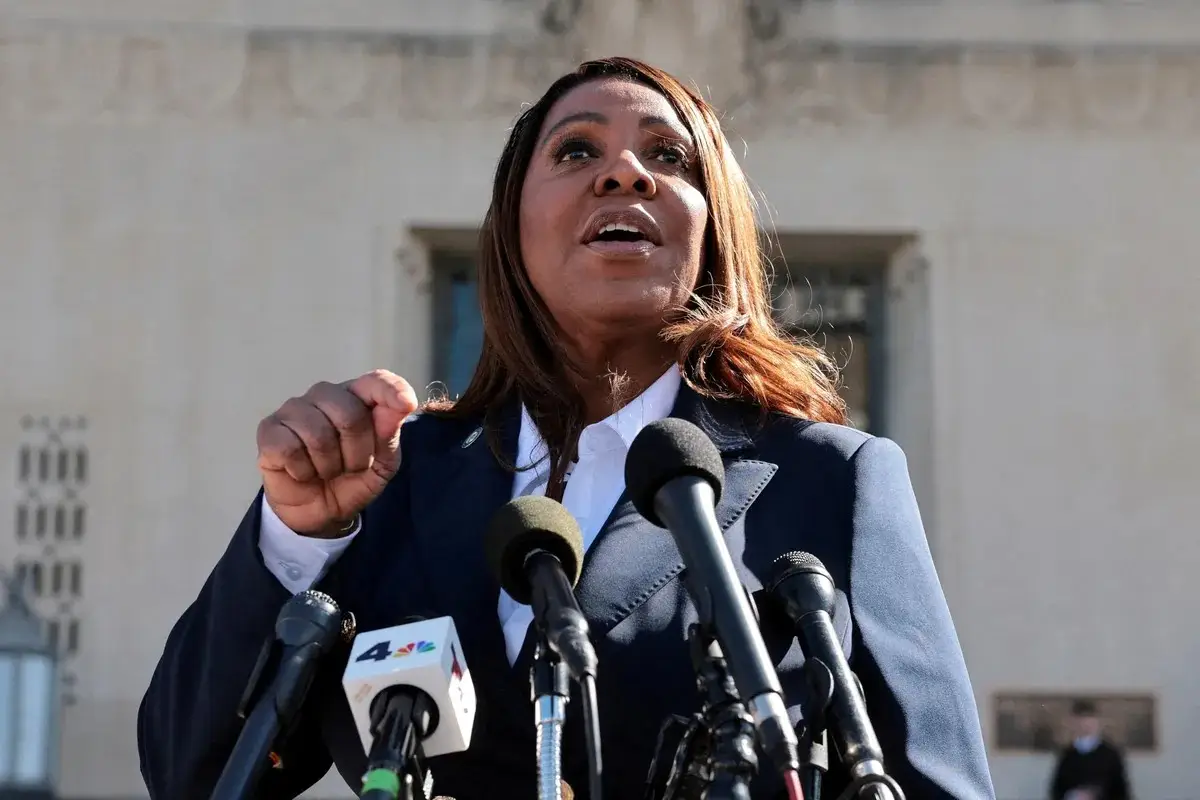

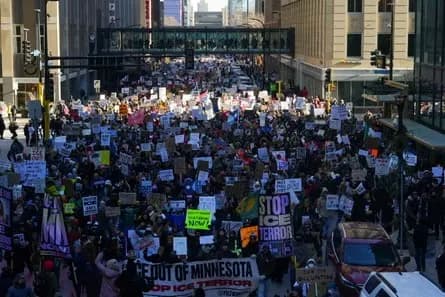
When federal agents labeled a Minnesota ICU nurse killed during a protest a 'domestic terrorist,' it was just the latest example of a tactic that has been used in the United States for centuries.
The current administration has quickly applied the 'domestic terrorism' tag to people killed or injured while protesting immigration enforcement — including Renee Nicole Good and Alex Pretti in Minneapolis, and Marimar Martinez in Chicago. Critics say this is part of a deliberate effort to turn dissent into a crime.
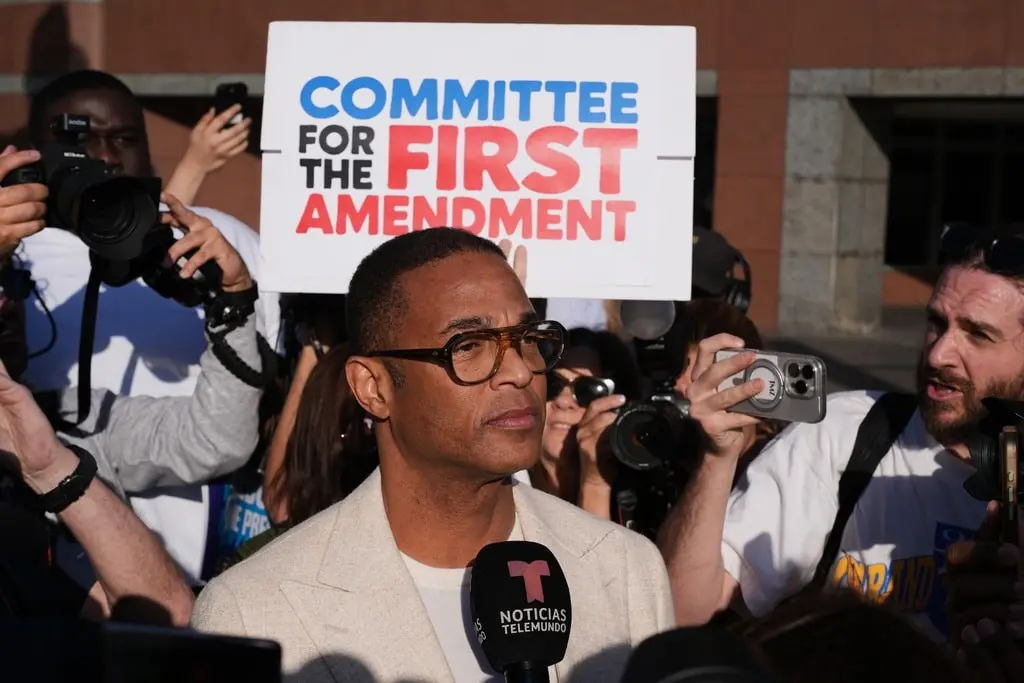
Federal officers have also started using the label in direct confrontations. In one recent video from Portland, Maine, an ICE agent told a legal observer recording his actions that she was now in a 'domestic terrorist' database simply for filming.
"It absolutely seems to be the case that federal agents have ramped up their repression of legal observers.
— Michelle Phelps, sociology professor, University of Minnesota
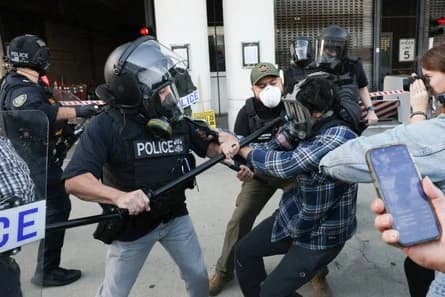
A clear pattern has also appeared in courtrooms: federal agents initiate physical confrontations — pushing protesters, including a 70-year-old veteran in Chicago — and then the Justice Department files charges against the people who were attacked, often using laws meant to protect federal employees.
More than a hundred cases relying on Section 111 of Title 18 (resisting federal officers) were filed in the second half of 2025 alone, many involving peaceful demonstrators or legal observers.
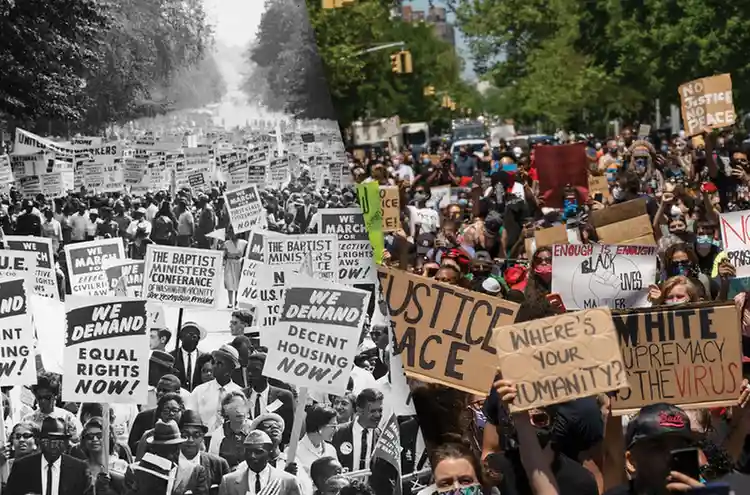
Anti-protest laws have surged under both Republican and Democratic administrations. Twenty-nine bills passed during Trump’s first term and 25 more under Biden, often in response to major protest waves.
A Pattern Across Movements
After the Dakota Access pipeline protests and rising climate activism, states introduced harsh penalties — some carrying up to five years in prison — for interfering with pipeline construction or even standing nearby.
In 2021, Iowa passed a law shielding drivers who injure or kill protesters from liability, while Florida protected individuals who harm protesters during a 'riot' — a term defined broadly enough to include peaceful people standing near someone who kicked over a trash can.
Historical Roots and Modern Echoes
Experts note that criminalizing protest is as old as the country itself. The Insurrection Act was created partly to suppress dissent, yet the Constitution’s framers also feared unchecked government power — a tension that continues today.
Main Takeaways
The 'domestic terrorism' label is being applied quickly and broadly to immigration protesters.
Federal charges often follow confrontations started by agents themselves.
Anti-protest laws have increased steadily under both parties.
Criminalization of dissent has deep roots in U.S. history.
✓ Civil rights era: surveillance and arrests of leaders
✓ Pipeline protests: extreme penalties for interference
✓ 2020–2025: sharp rise in anti-protest legislation
✓ Current moment: targeting of legal observers and journalists
Many see the current crackdown as retaliation against people — including white Americans — who stand in solidarity with immigrants and marginalized communities.
Resistance and the Path Forward
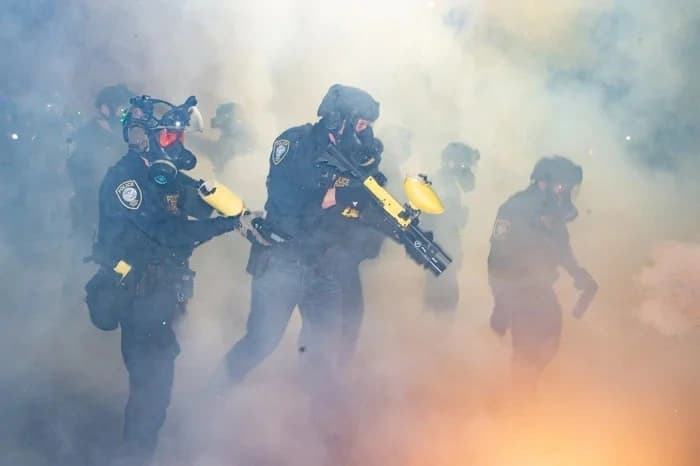
Despite the risks, many communities are responding with increased determination. In Minneapolis, people come out to whistle and record agents. In Chicago, 'ICE not welcome' posters are everywhere. In Oregon, protesters bring gas masks to continue documenting enforcement actions.
Organizers say the crackdown is backfiring — it has activated and united communities against what they see as federal overreach.
Human solidarity is triumphing in the face of this really violent moment we’re living through.— Nick Estes, historian and Lower Brule Sioux Tribe member
The long history of criminalizing protest shows that while governments have always tried to silence dissent, people have always found ways to keep showing up, bearing witness, and demanding accountability.