
A new report from Human Rights Watch says the world is falling deeper into what it calls a 'democratic recession,' with almost three-quarters of people now living under authoritarian governments — a level not seen since the 1980s.
The organization says the international system that protects human rights is now facing serious danger. HRW Executive Director Philippe Bolopion called the rise of authoritarianism 'the challenge of a generation' and pointed to 2025 as a decisive moment for freedoms in the United States.
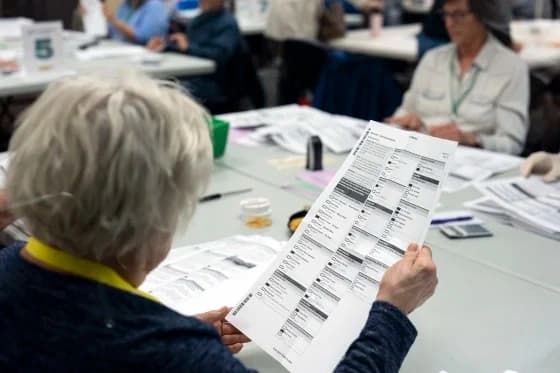
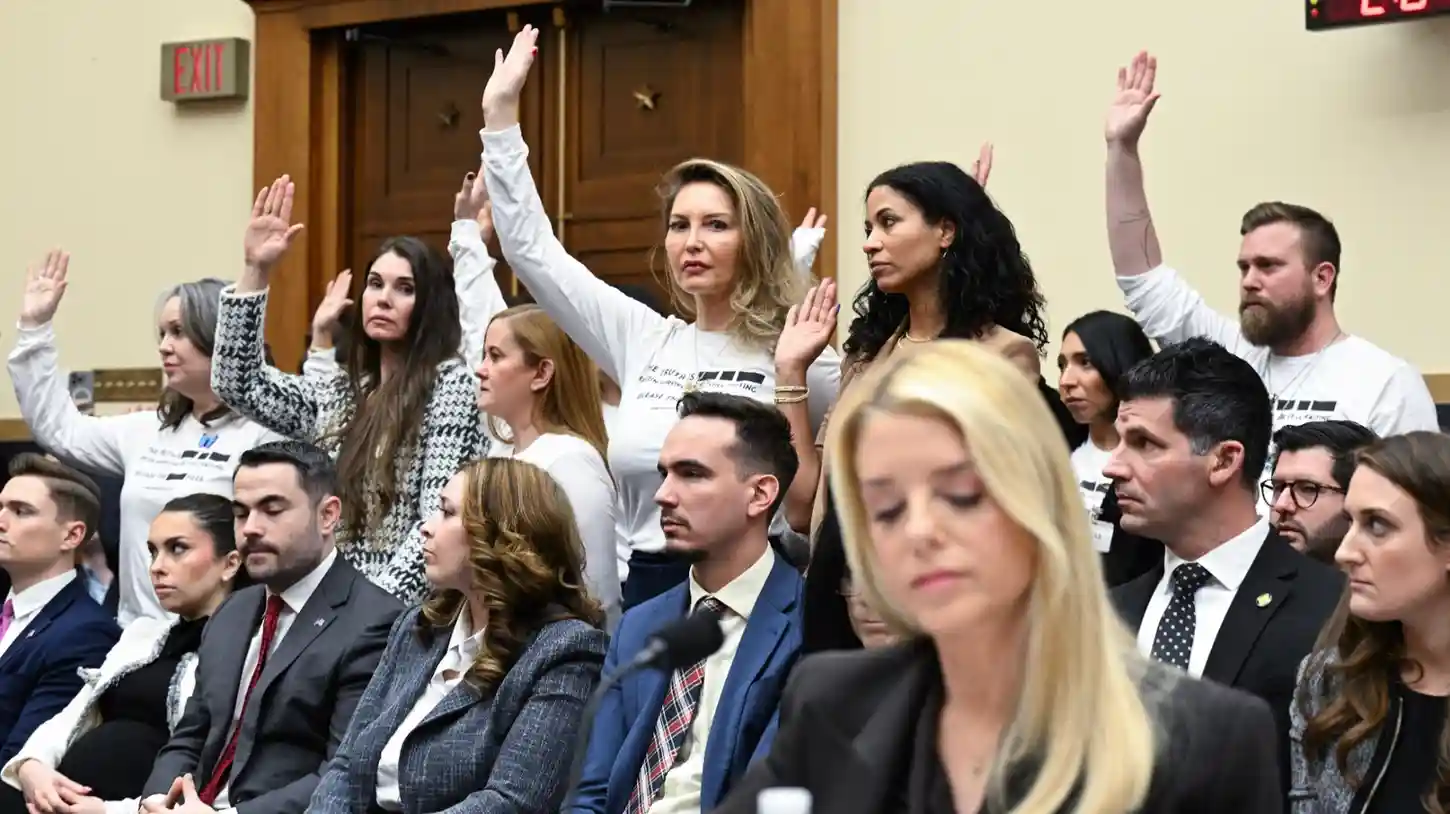
In just one year, the Trump administration has carried out what HRW describes as a widespread attack on the foundations of American democracy — undermining trust in elections, reducing government accountability, pressuring courts, ignoring judicial rulings, and using official power against political opponents, journalists, law firms, universities, civil society, and even comedians.
"When you step back you see an organised, relentless, determined assault on all of the checks and balances that are meant to limit executive power in US democracy.
— Philippe Bolopion, Executive Director of Human Rights Watch
The report lists recent steps including restrictions on free speech, deportations to countries where people face torture, and open defiance of legal obligations. HRW says these actions go against the rules-based international order that the United States helped build — and now seems to be dismantling.
Together with long-standing efforts by Russia and China to weaken global standards, the U.S. shift has serious consequences worldwide. Bolopion warned that the current direction puts the entire human rights framework at great risk.
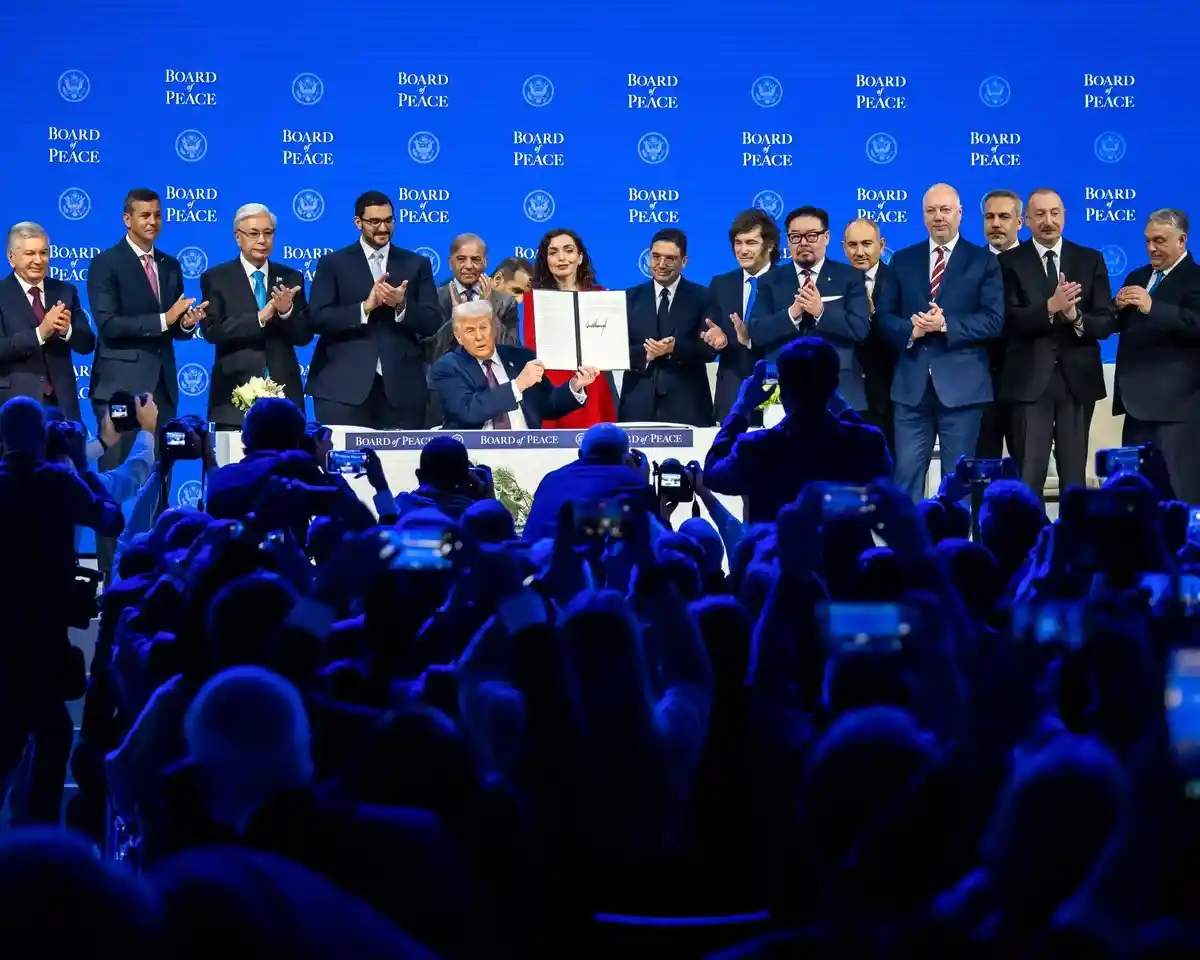
Bolopion urged democratic countries — including the UK, EU nations, and Canada — to form a strong alliance to defend the rules-based order and push back against rising authoritarian influence.
Rights Trends in the US and Other Nations
The report also looks at the UK, where HRW says the Labour government’s tough immigration policies have helped make far-right anti-migrant rhetoric more mainstream. It criticizes restrictions on the right to protest and insufficient action on the rising cost-of-living crisis.
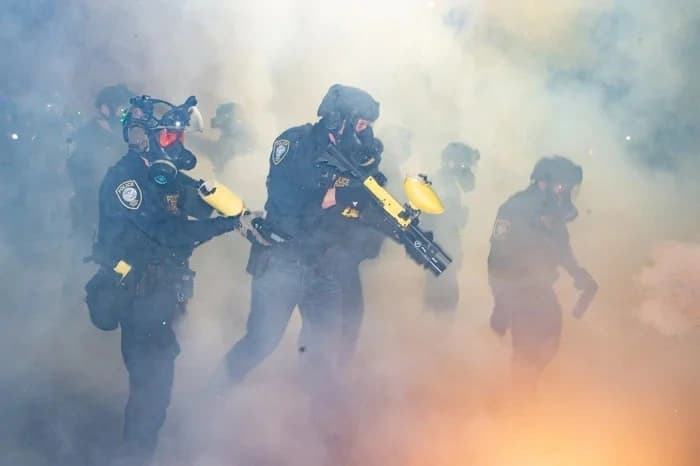
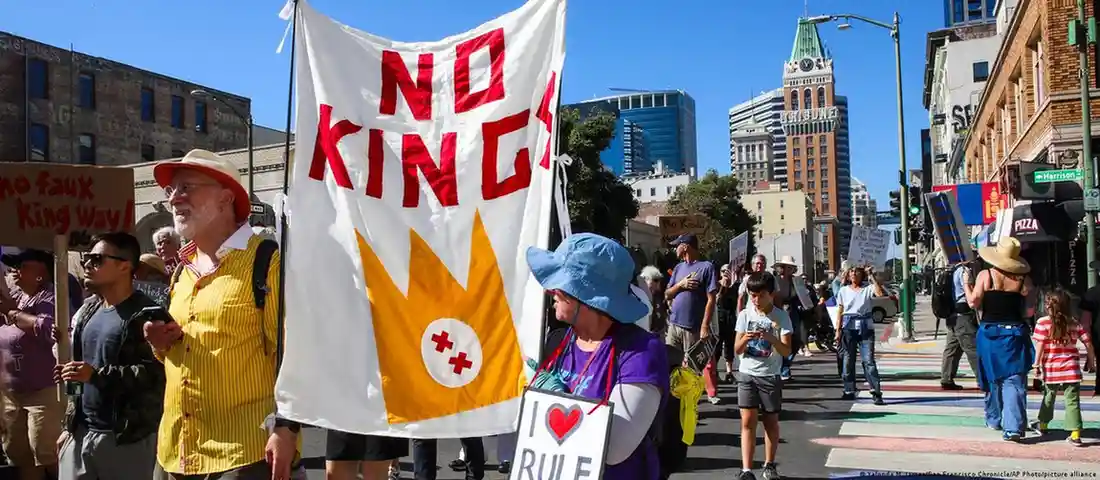
Around the world, HRW notes that laws targeting protests have increased under both Republican and Democratic administrations, often in response to major protest waves such as those after George Floyd’s killing or recent pro-Palestinian campus demonstrations.
Deep Historical Roots and Present Threats
Criminalizing protest and dissent is not new — experts say it has been part of American history from the beginning. From surveillance and arrests during the civil rights era to severe penalties for pipeline protesters and laws protecting drivers who harm demonstrators, governments have long tried to control or punish public dissent.
Key Findings from the HRW Report
Nearly 72% of the world’s population now lives under autocratic rule — back to levels last seen in the 1980s.
The United States, Russia, and China are all less free today than they were 20 years ago.
Anti-protest laws have surged following major protest movements.
The current situation is described as a 'perfect storm' for human rights worldwide.
✓ Authoritarian wave threatens global rules-based order
✓ US actions seen as major setback for democratic norms
✓ UK criticized for immigration and protest restrictions
✓ Civil society remains crucial in resisting crackdowns
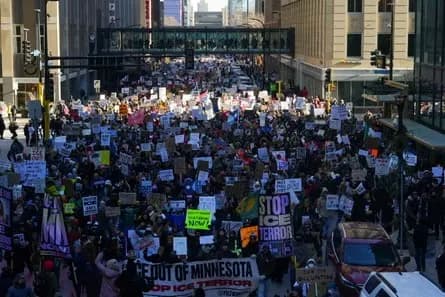
Despite the challenges, HRW highlights continued public resistance — from anti-ICE protests in Minneapolis to demonstrations in Iran, Morocco, and elsewhere — as proof that solidarity and pushback remain strong.
A Call for Democratic Action
The report urges democracies to build stronger alliances and offer incentives to defend multilateral systems and human rights. It also emphasizes that civil society groups will remain essential in this difficult period.
Bolopion described the moment as challenging but not hopeless — one that demands action rather than despair.
It is a challenging time but one for action, not for despair.— Philippe Bolopion, Human Rights Watch
As authoritarian pressures grow in the United States and elsewhere, the coming years will test whether democratic nations and civil society can protect the rights and freedoms built over decades — or whether the current recession will deepen further.