
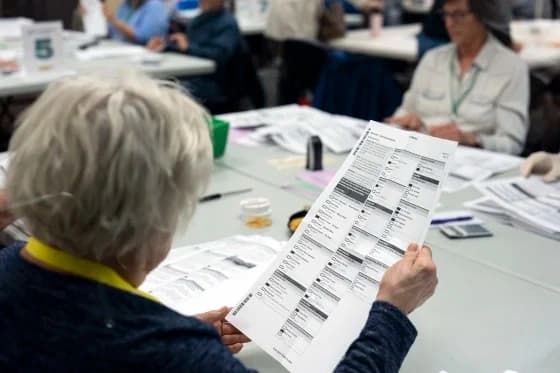
On Monday, a federal judge in Oregon threw out a lawsuit from the Justice Department that wanted the state's unredacted voter rolls. This was another loss for the Trump administration's broad effort to get detailed voter information from many states.
During a hearing, U.S. District Judge Mustafa Kasubhai agreed to Oregon's request to dismiss the case. He plans to write a full opinion soon. The ruling comes after the DOJ sued in September 2025 for private voter information, such as names, birth dates, addresses, driver's license numbers, and partial Social Security numbers, to make sure that federal election laws were being followed.
Oregon Attorney General Dan Rayfield praised the decision, saying that the federal government did not meet the legal requirements to get to these private records. He said, "Oregonians need to know that voting laws can't be used to get their personal information." The Justice Department did not respond right away.
"The court threw out this case because the federal government never met the legal requirements to get these records in the first place.
— Dan Rayfield, Attorney General of Oregon
Judge Kasubhai said that the DOJ's August request didn't meet the requirements of the Civil Rights Act of 1960, which only allows access for certain written requests that explain the reason and basis for the request. These requests must be related to discrimination investigations, not general compliance checks.
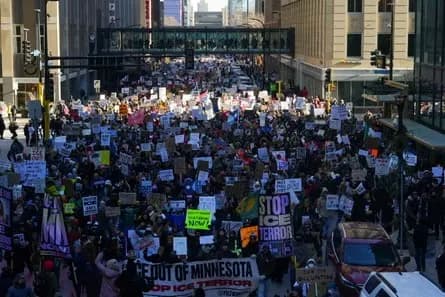
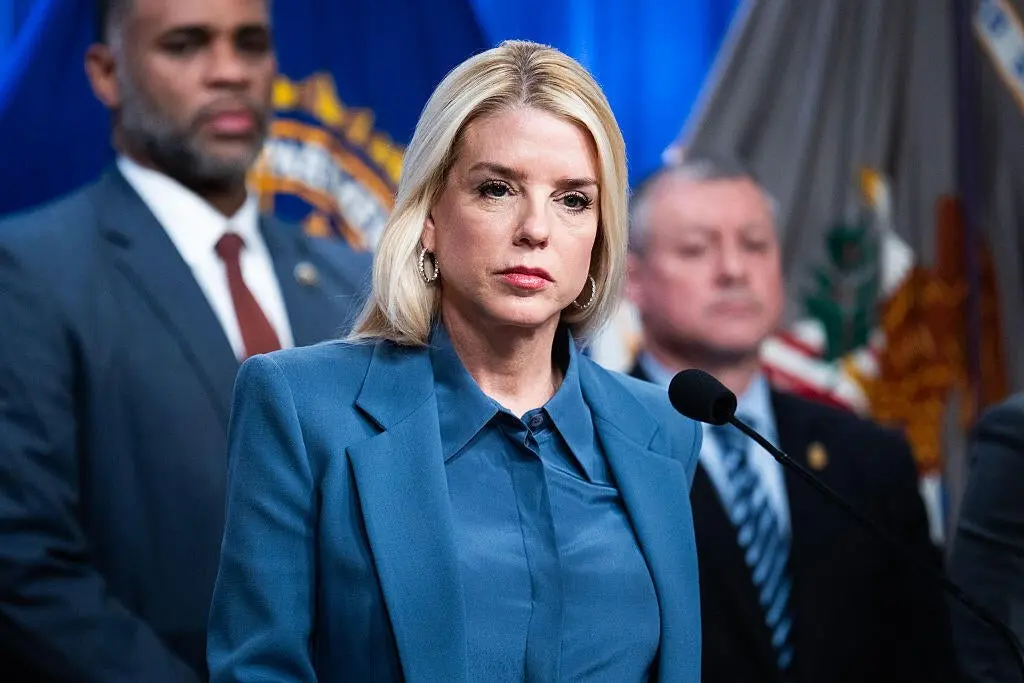
The judge was worried about the department's motives because of a recent letter from Attorney General Pam Bondi to Minnesota Governor Tim Walz that linked access to the voter rolls to cooperation with immigration enforcement during protests over federal agent shootings in Minneapolis.
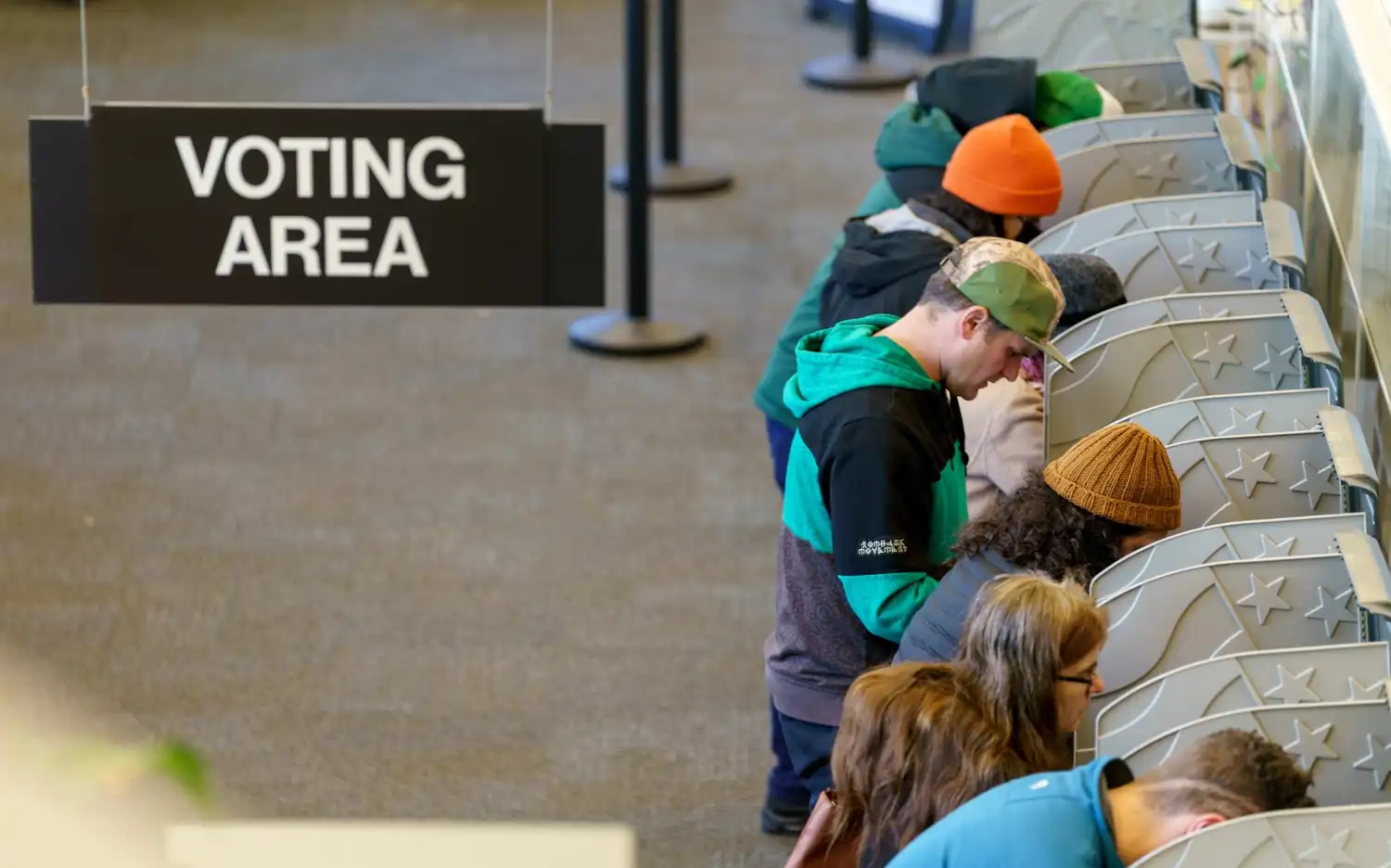
Georgia (wrong venue) and California (unprecedented and illegal) have thrown out similar lawsuits, and at least 23 other states and D.C. are also facing lawsuits over the same demands.
DOJ's Push for Voter Data Across the Country
The Justice Department says the data helps make sure that states follow federal laws and don't let people vote who aren't eligible (like noncitizens). States say that the requests go too far and violate privacy protections because elections are run by the states.
Oregon gave out data that was available to the public, but not files that weren't redacted. Many state officials say that sharing could lead to misuse for immigration enforcement or other purposes that aren't related to the election.
The Background of the Dismissal and Other Issues
The Bondi letter to Walz, which was sent during a time of tension over ICE actions in Minnesota, asked for access to voter rolls, Medicaid and food assistance records, and the end of sanctuary policies. This raised questions about the real reason behind the requests for voter data.
Main Reasons for Dismissal
The judge looked at what Congress meant and decided that the 1960 Act's records provision was related to investigations into discrimination against voting rights, not general compliance audits.
✓ The DOJ request doesn't say why or how it should be done
✓ There are worries about possible bad motives
✓ Privacy laws protect individual voter data
✓ The federal government doesn't have direct election authority
Election officials all over the country have said no, saying that it could violate voters' privacy and the constitution's powers over elections.
What this means for voter privacy and federal power
This dismissal shows that states are still against the federal government getting too involved with voter data, even though there are lawsuits going on in other states. It shows how hard it is to balance national security and immigration goals with protecting the privacy of voters and the integrity of elections.
As more cases move forward, the administration's strategy is getting more attention from the courts, which could make it harder to get sensitive voter information in the future.
The law is still important. Federal officials can't use voting laws as an excuse to get private citizens' data without a clear legal reason.— Election privacy advocates (paraphrased from case commentary)
The ruling could have an effect on similar cases in other places if it is written down. Oregon's win protects voters' privacy and makes it clear that states, not the federal government, run elections.